In-Ground Pool Construction: A Step-by-Step Overview for Homeowners
Key Takeaways
- In-ground pool construction follows a defined sequence that affects cost, timeline, and final quality.
- Material choice, site conditions, and permitting requirements are the largest planning variables.
- Understanding each phase helps homeowners avoid delays and costly changes.
- ProPools is always here to assist with any questions, just call or email us. sales@propools.com
What In-Ground Pool Construction Is and Why It Matters
In-ground pool construction is the process of permanently installing a swimming pool structure below grade, typically using concrete, vinyl liner, or fiberglass systems. Unlike above ground pools, in-ground pools require excavation, structural reinforcement, plumbing, electrical work, and finishing phases that must occur in a general specific order.
Understanding the construction process matters because decisions made early—such as pool type, placement, and site preparation—directly affect the project timeline, budget, and long-term maintenance requirements. Homeowners who understand the process are better equipped to communicate with contractors and make informed choices or are better able to perform the project themselves.
Step-by-Step In-Ground Pool Construction Process (Generally Speaking)
For homeowner DIY projects, the in ground vinyl liners pools are typically the easiest of the three types of in ground pools to install. We'll reference all three types below but will link specifically to in ground vinyl liner construction.
1. Design and Planning
The project begins with selecting the pool type, size, depth profile, and placement. This phase includes reviewing local zoning requirements, setback rules, and homeowner association guidelines. Accurate planning reduces the risk of design changes later.
2. Permits and Approvals
Most municipalities require permits for excavation, electrical work, and plumbing. Approval timelines vary by location, and construction cannot legally begin until permits are issued.
3. Excavation
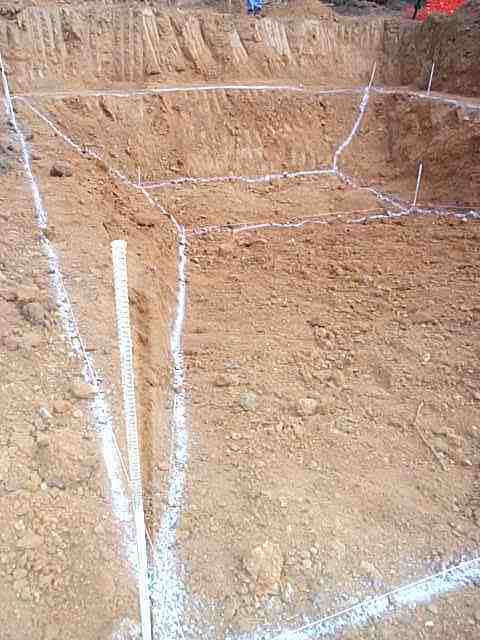
Excavation involves removing soil to match the pool’s design dimensions. Soil type, slope, and groundwater conditions can affect how quickly this phase is completed and whether additional reinforcement is needed.
See In Ground Vinyl Liner Pool Details: https://www.propools.com/info/on-ground-pool-construction-process---the-dig/34
4. Structural Installation
This phase differs by pool type. Concrete pools require steel reinforcement and gunite or shotcrete application. Vinyl liner pools use wall panels and a floor base. Fiberglass pools involve setting a pre-manufactured shell.
See Wall Panel Installation Details: https://www.propools.com/info/putting-up-the-walls---steel-wall-pools/35
5. Plumbing and Electrical
Plumbing lines, skimmers, returns, and electrical conduits are installed before backfilling. Proper installation at this stage is critical for circulation efficiency and long-term reliability.
See General Plumbing Layout/Configuration: https://www.propools.com/info/general-plumbing-layoutandconfiguration/36
6. Backfilling and Decking
Soil is replaced around the pool structure, and decking or coping is installed. Deck material choice affects both appearance and maintenance.
7. Interior Finish and Fill
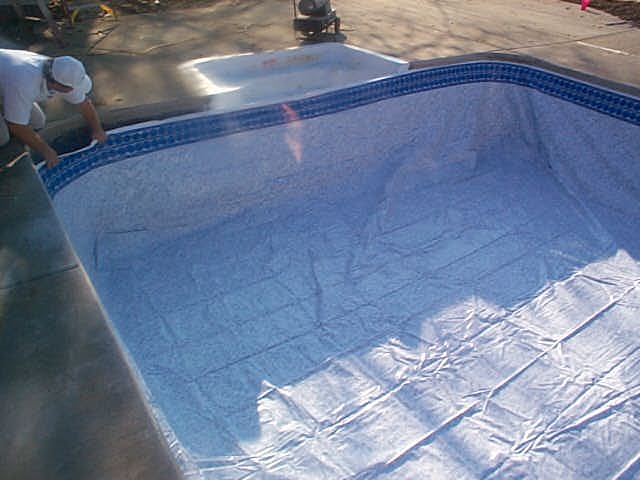
The final surface—plaster, liner, or gel coat—is completed, followed by filling the pool and balancing water chemistry.
See Vinyl Liner Installation: https://www.propools.com/info/on-ground-pool-construction---vinyl-liner-installation/44
Explore In-Ground Pool Options at ProPools.com
Frequently Asked Questions
What are the General Installation Costs for In-ground Pools?
One of the greatest hold backs for getting a swimming pool is the purchase and installation cost. There's the cost of the swimming pool itself, then cost of installing the pool. Let's take some time and look at the cost considerations of purchasing and building a swimming pool.
Click for a more detailed look.
How long does in-ground pool construction usually take?
Most DIY in-ground pool projects take a few weeks from excavation to completion. The timeline depends on pool type, weather conditions, permit approval speed, and material availability. Complex designs or custom features can extend the schedule.
What is the most expensive part of in-ground pool construction?
Excavation and structural installation typically account for the largest portion of the cost. Concrete pools often have higher structural costs due to labor and materials. Site challenges such as rock or poor soil conditions can also increase expenses.
Can construction begin before permits are approved?
No, construction should not begin before permits are issued. Starting early can result in fines, stop-work orders, or required rework. Proper permitting protects both the homeowner and contractor.